
1 July 2026
Home Battery Storage Installation Melbourne North
Battery storage installation for homes and businesses across Melbourne's northern suburbs. Store solar energy, slash power bills, and charge your EV for almost nothing. Free quotes from EAY Electrical.
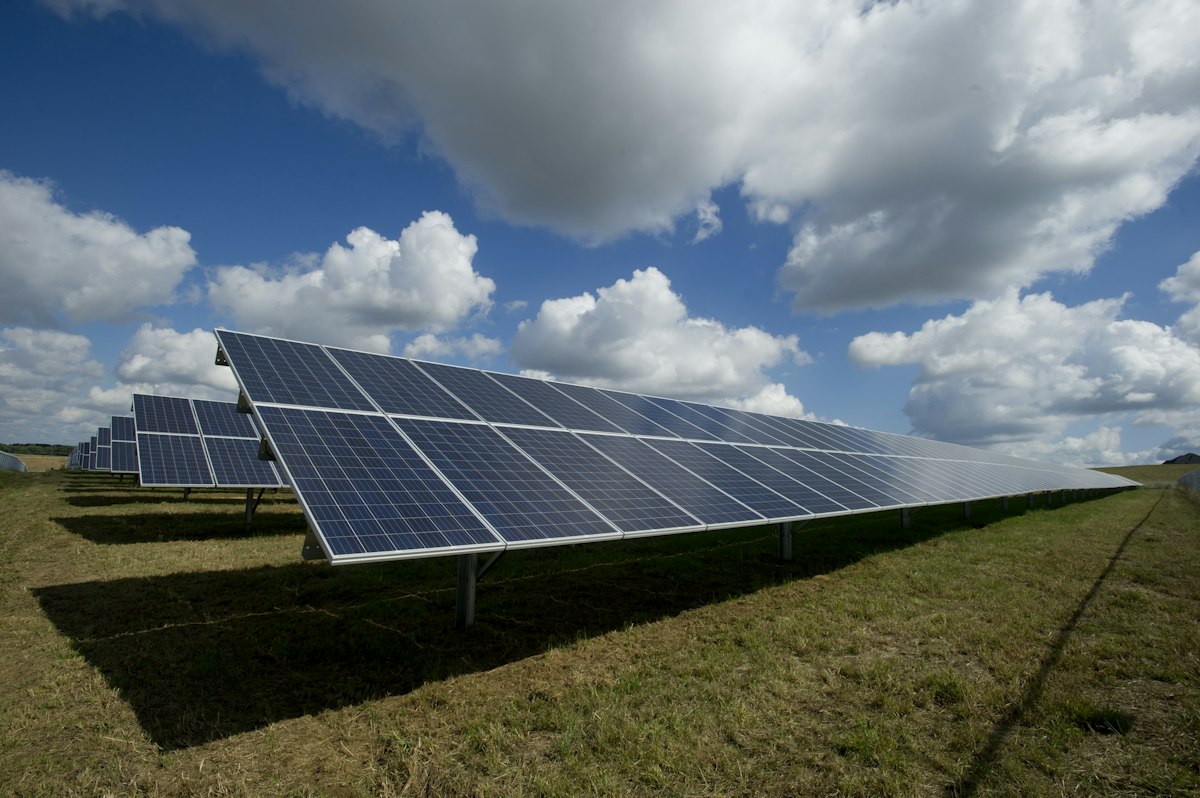
Solar panels on your roof generate power all day. But most Melbourne households are out when the sun shines and home when it does not — which means the cheapest energy your system produces is being exported to the grid for a fraction of what you pay to import it at night. A home battery storage system fixes this completely. It captures the surplus solar energy generated during the day, stores it, and releases it when your household needs it most — in the evening, on cloudy days, and during peak tariff periods. For homeowners across Melbourne's northern suburbs who have solar or are planning to install it, a battery is now one of the most financially compelling electrical investments available. EAY Electrical installs home battery storage systems across the northern corridor — from Essendon and Moonee Ponds through to Craigieburn, Epping, and the outer growth suburbs.
Why Northern Suburbs Homeowners Are Installing Battery Storage
Melbourne's northern suburbs have some of the highest solar penetration rates in Victoria. Suburbs like Essendon, Strathmore, Pascoe Vale, Coburg, Preston, Bundoora, Mill Park, and the outer growth corridors of Craigieburn and Mernda have seen strong solar uptake over the past decade. But the economics of solar have shifted. Victorian solar feed-in tariffs have dropped significantly — from a peak of 66 cents per kWh during the Solar Bonus Scheme to as low as 4 to 6 cents per kWh today. Meanwhile, grid electricity costs have risen to 30 to 40 cents per kWh for most Melbourne households. The maths is stark: every unit of solar energy you export earns you 5 cents, while every unit you import later that evening costs you 35 cents. A battery that captures that surplus solar and uses it at night is, in financial terms, a 30 cent per kWh saving on every unit it stores.
The EV Connection
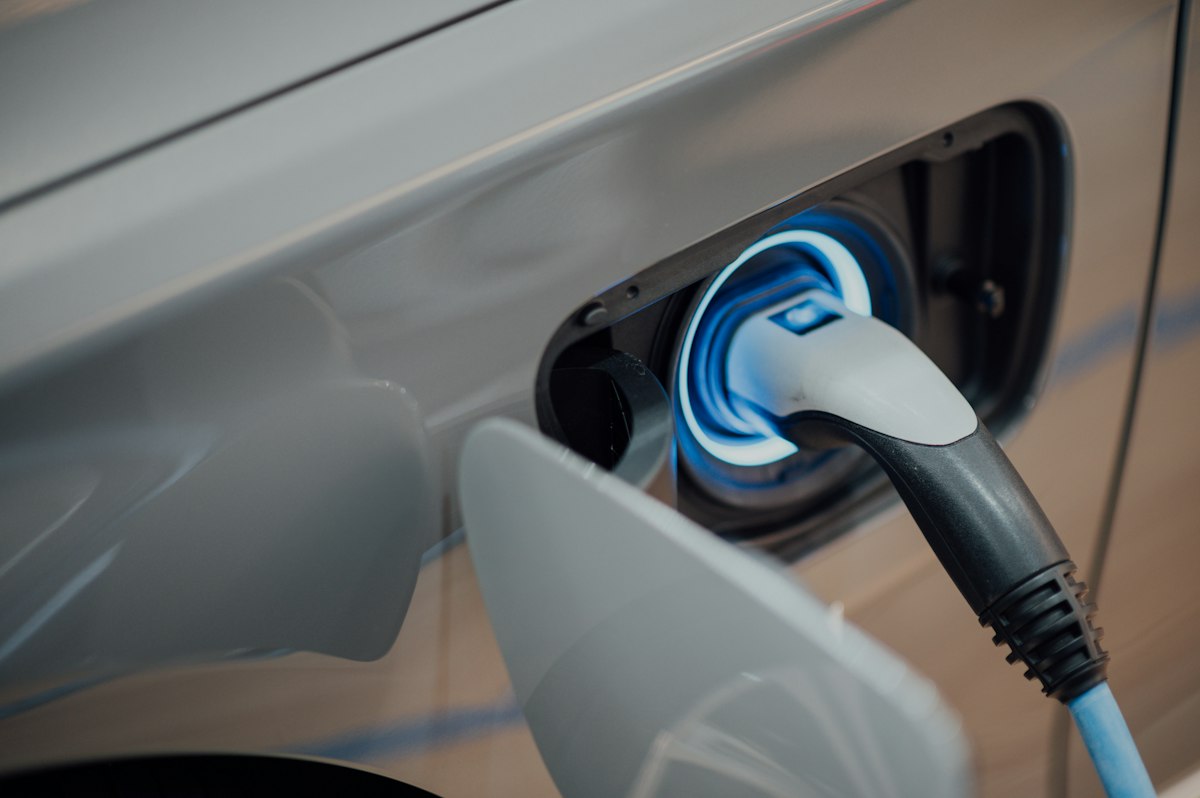
For northern suburbs households that have or are planning an EV, the battery storage equation becomes even more compelling. A home battery charged by solar can charge your EV during daylight hours or from stored energy overnight — at an effective cost of 0 to 5 cents per kWh versus 30 to 40 cents from the grid. For a household driving 15,000 kilometres per year in an EV consuming 18kWh per 100km, the difference between grid charging and solar-plus-battery charging is approximately $800 to $1,200 AUD annually. Over a decade, that saving pays for a significant portion of the battery system itself. EAY Electrical installs both home battery storage and EV chargers and can design an integrated solar-ready system that optimises energy flow between your panels, battery, home, and vehicle.
How Home Battery Storage Works
A home battery storage system sits between your solar inverter and your home's electrical switchboard. During daylight hours when your solar panels are generating more energy than your home is consuming, the excess is directed into the battery rather than exported to the grid. When the battery reaches full capacity, any remaining surplus is exported. In the evening, when your solar panels are no longer generating, your home draws from the battery first — avoiding or deferring grid imports until the battery is depleted. Smart battery systems can be programmed to retain a reserve for overnight use, charge preferentially during off-peak tariff windows, and even discharge to the grid during peak price events in households with time-of-use tariffs.
Backup Power Capability
Most modern home battery systems offer blackout protection — the ability to continue powering selected circuits in your home during a grid outage. This is particularly valuable in the outer northern growth corridors like Craigieburn, Mernda, and Donnybrook where new subdivisions can experience outages during storm events. Backup capability varies by system — some batteries switch seamlessly to island mode within milliseconds of detecting a grid outage, keeping your refrigerator, lighting, and selected power points running. Others require manual configuration. EAY Electrical advises on backup capability during every battery consultation so you understand exactly what protection your chosen system provides.
Battery Storage Systems We Install
EAY Electrical installs leading home battery storage systems available in Australia with full Australian compliance certification and local warranty support. The most common systems we install across Melbourne's northern suburbs include:
- Tesla Powerwall 3: The most recognised home battery in Australia. 13.5kWh usable capacity with integrated inverter, blackout protection, and app monitoring. Suitable for most 3 to 5 bedroom Melbourne homes. Pairs seamlessly with Tesla EV chargers for integrated energy management.
- SolarEdge Home Battery: Modular LFP (lithium iron phosphate) chemistry offering excellent safety, longer cycle life, and compatibility with SolarEdge inverters widely installed across northern suburbs homes.
- Sungrow SBR series: High-value modular battery system with stackable capacity from 9.6kWh to 25.6kWh. Strong performance and competitive pricing make this a popular choice for larger northern suburbs homes and those wanting higher storage capacity.
- BYD Battery-Box: LFP chemistry, modular design, compatible with a wide range of inverter brands. Particularly suitable for homes with existing non-brand-specific inverter installations across the northern suburbs.
We do not recommend one system for every household. The right battery depends on your existing solar inverter, your daily consumption pattern, your tariff structure, whether you have an EV, and your backup power requirements. EAY Electrical provides an honest, brand-neutral recommendation based on your specific situation.
What Does Home Battery Storage Cost in Melbourne?
Battery storage system costs have dropped significantly over the past five years and continue to decline as manufacturing scale increases. As a guide for Melbourne northern suburbs homeowners in 2026:
- Entry-level system (9 to 10kWh): $8,000 to $12,000 AUD fully installed. Suitable for smaller households or those wanting to start with basic storage and expand later. Covers evening consumption for a typical 2 to 3 person Melbourne household.
- Mid-range system (13 to 15kWh): $12,000 to $18,000 AUD fully installed. The most popular size for Melbourne 4 to 5 bedroom homes. Covers most overnight consumption and provides meaningful blackout protection duration.
- Large system (20kWh or more): $18,000 to $30,000 AUD fully installed. Suited to large homes, households with high consumption, EV owners wanting maximum solar charging capability, or homes in areas with frequent outages wanting extended backup duration.
- Commercial battery systems: $30,000 to $200,000 AUD or more for businesses, strata buildings, and commercial facilities looking to reduce demand charges, provide backup power, or participate in grid services. Commercial battery economics are significantly different from residential and require detailed modelling.
Victorian Battery Rebate: What Northern Suburbs Homeowners Can Claim
The Victorian Government's Solar Homes Program has historically included battery storage rebates for eligible Melbourne households. Rebates have varied over the program's life — check the current Solar Victoria website for the active rebate amount and eligibility criteria before proceeding, as the program terms change regularly. Eligibility typically requires a combined household income threshold, an existing compliant solar system, and a property value cap. When available, the rebate meaningfully reduces the net system cost and improves payback period. EAY Electrical will advise on current rebate status and help you understand whether your property and situation qualifies during the consultation.
Should You Install Battery Storage or Solar First?
For northern suburbs homeowners without solar, the usual recommendation is solar first, battery second — unless you have specific reasons to want backup power immediately or your electricity bills are already extremely high with limited grid export potential. Solar panels typically deliver a faster payback than battery storage and create the foundation that makes battery storage financially viable. Once your solar system is generating data on your household's actual export patterns, sizing a battery becomes much more precise — you can see exactly how much surplus you are exporting and when, and size the battery accordingly rather than estimating.
For households that already have solar, a battery is often the next logical step — particularly now that feed-in tariffs have dropped to the point where exporting surplus has minimal financial value. If your solar system was installed more than five years ago, it is also worth having the inverter assessed during a battery consultation. Older inverters may not be compatible with modern battery systems, and an inverter upgrade may be advisable — or, in some cases, a full system replacement may deliver better economics than adding a battery to an aging installation.
Commercial Battery Storage for Northern Suburbs Businesses
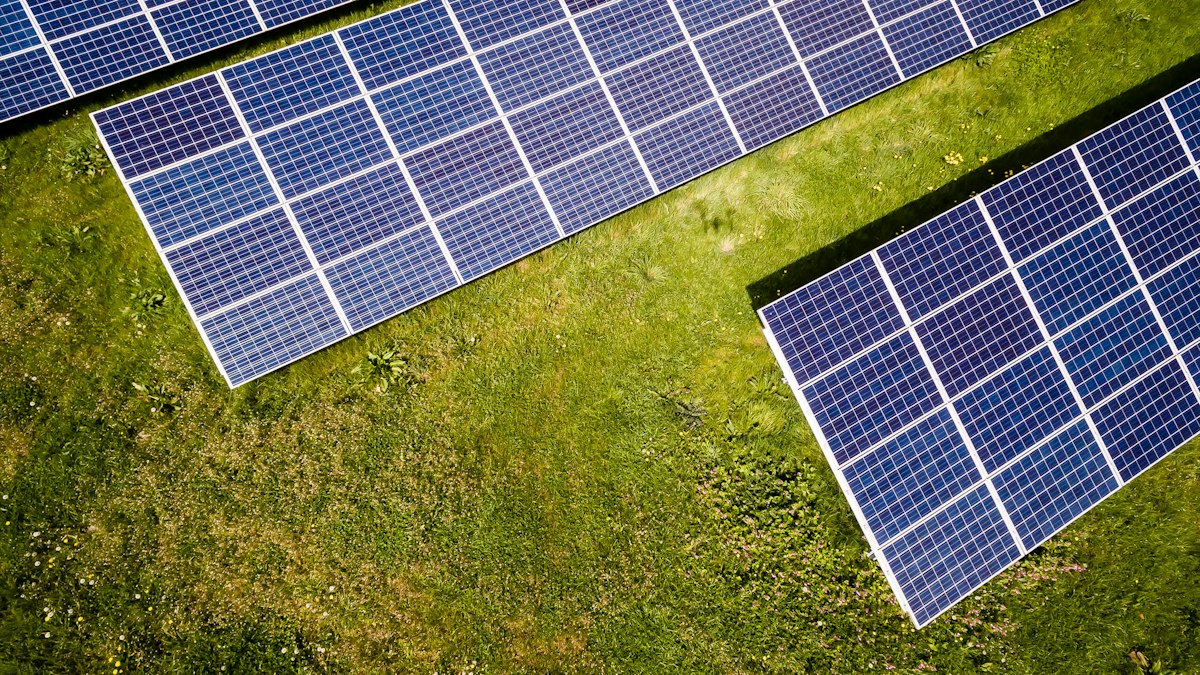
Commercial battery storage delivers a different financial case to residential. The primary driver for most Melbourne businesses is demand charge reduction — the component of commercial electricity tariffs charged based on peak demand rather than total consumption. A business that occasionally spikes to a high demand level pays elevated demand charges all month, even if that spike lasted only minutes. A battery that shaves peak demand events — by discharging when consumption approaches the peak threshold — can reduce demand charges by 20 to 40 percent. For businesses with significant demand charges, this can deliver payback periods of 4 to 7 years even before factoring in solar generation. EAY Electrical works with commercial clients across the northern corridor — from small trade businesses in Campbellfield and Somerton to retail and hospitality operators across Preston, Northcote, and Brunswick — to assess commercial battery economics on a case-by-case basis.
Serving Melbourne's Northern Suburbs
EAY Electrical installs home battery storage systems across all of Melbourne's northern suburbs — Moonee Ponds, Essendon, Strathmore, Pascoe Vale, Coburg, Brunswick West, Glenroy, Fawkner, Preston, Northcote, Thornbury, Bundoora, Mill Park, Epping, South Morang, Mernda, Craigieburn, Glenroy, Tullamarine, and surrounding areas. We are a local team with local knowledge — we understand the housing stock across the north, the common solar inverter brands installed in our service area, and the specific consumption patterns of Melbourne northern suburbs households. Every quote is based on a genuine assessment of your property and energy situation, not a one-size-fits-all package.
Get a Free Battery Storage Quote
Ready to store your solar energy and cut your power bills? Contact EAY Electrical for a free home battery storage consultation across Melbourne's northern suburbs. We assess your existing system, your consumption data, your tariff structure, and your backup power requirements — and provide a transparent, fixed-price quote with honest payback period modelling. No pressure, no upsell, just straight advice.
Get Your Free Battery Storage Quote →Frequently Asked Questions
Do I need solar panels to install a home battery in Melbourne?
No — a battery can be installed without solar and used to store cheap off-peak grid electricity for use during peak tariff periods. However, the financial case is significantly stronger when combined with solar, as you are storing energy that costs you nothing to generate rather than buying it at off-peak rates and saving the peak-offpeak differential.
Is home battery storage worth it in Melbourne in 2026?
For most Melbourne homeowners with solar who export significant surplus energy, yes. With feed-in tariffs at 4 to 6 cents per kWh and grid import rates at 30 to 40 cents, every unit stored and self-consumed delivers a 25 to 35 cent saving. Typical payback periods for Melbourne solar households range from 7 to 12 years depending on system size, consumption patterns, and tariff structure — within the warranted lifespan of most modern battery systems.
What size battery do I need for my Melbourne home?
For most Melbourne 3 to 4 bedroom homes, a 10 to 14kWh battery is sufficient to cover evening consumption from solar surplus. Homes with EVs, electric heating, or higher than average consumption benefit from 15kWh or more. The best sizing uses your actual solar generation and consumption data — EAY Electrical analyses this during a free consultation to recommend the right capacity for your specific household.
Will a home battery keep my power on during a blackout?
Most modern home battery systems offer blackout protection, but the capability and duration varies by system and installation configuration. Some systems provide whole-home backup; others protect only selected circuits. Duration depends on battery capacity and what loads you are running. EAY Electrical configures backup settings during installation and advises on the specific backup behaviour of the system you choose.
Does EAY Electrical install batteries and EV chargers together?
Yes. A combined solar, battery, and EV charger installation is one of the most popular setups we complete across Melbourne's northern suburbs. We design the electrical system so the battery, solar inverter, and EV charger work together intelligently — charging the vehicle from solar surplus during the day or from stored battery energy overnight, at an effective cost close to zero. Contact us to discuss a combined installation quote.